Vision inspection that pays for its own labelling.
An electronics assembly line in western India was catching board defects too late, at final test, after the value had been added. Welzin put cameras on the line, built the labelled dataset and the model behind them, ran inference at the edge, and then reused the footage as first-person training data for a pick-and-kit robot pilot.
A defect found at final test is the most expensive defect there is.
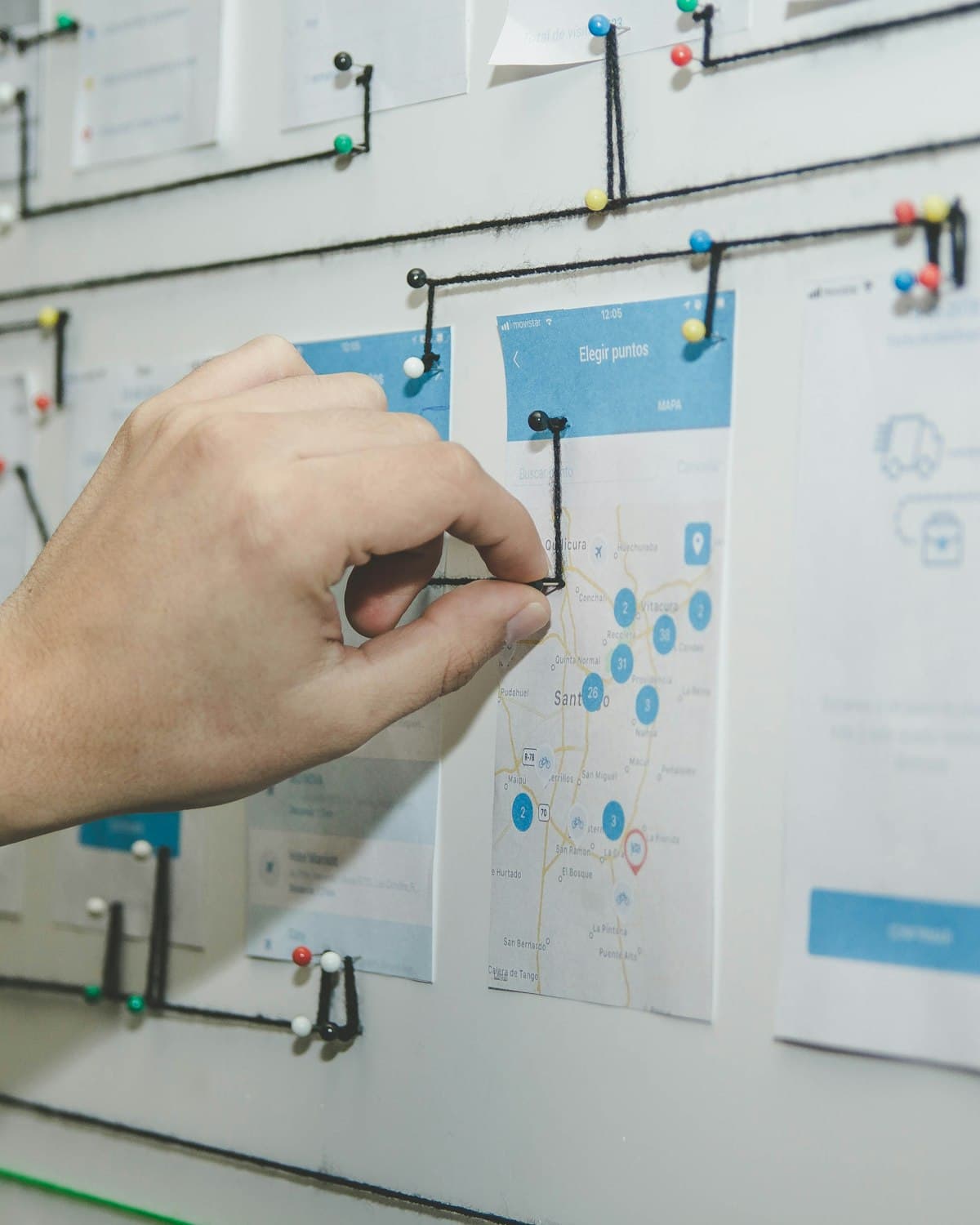
The line assembled control boards through six manual and semi-automatic stations. Missing components, tombstoned parts, and misaligned connectors were only caught by functional test at the end, after soldering, coating, and enclosure. Rework was slow, scrap was rising, and the incumbent rule-based vision system flagged so many false rejects that operators had learned to override it.
Late detection
Defects passed four value-adding stations before anyone saw them, so every escape carried the full cost of the board.
rework and scrapFalse rejects
The legacy fixed-threshold system rejected good boards on lighting changes and part-lot variation, and was routinely overridden.
No labelled data
Years of camera footage existed, but not one frame was labelled. The dataset had to be built before a model could be.
zero labelsAn automation roadmap on hold
The plant wanted to pilot a pick-and-kit robot but had no demonstration data and no way to evaluate a policy safely.
The dataset first, then the model, then the robot that learned from both.
Six pieces, delivered by one pod. The order matters: in vision the dataset is the product, and everything downstream inherits its quality.
Managed labelling pipeline
A Label Studio workflow with a closed defect taxonomy, gold sets seeded into every batch, and inter-annotator agreement thresholds per defect class.
Active learning loop
Each training run ranked unlabelled frames by uncertainty, so the next labelling batch was the one that moved recall most, not the next one in the folder.
Defect detection model
A YOLO-family detector fine-tuned per station, with a segmentation head for solder and coating defects and an explainable reject overlay for operators.
Edge inference
Models quantized and served on Jetson hardware at each station, inside the cycle time, with no frame leaving the plant network.
MES integration and drift monitoring
Every reject written to the MES with its overlay; per-class confidence tracked so a new part lot or a lighting change raises a drift alert before yield moves.
Egocentric capture for the robot pilot
Head and wrist cameras on eight operators, synced and segmented into task episodes, became the demonstration corpus for a pick-and-kit policy fine-tuned from an open VLA checkpoint.
Two loops, one corpus: inspection and demonstration.
The inspection loop keeps the detector honest; the demonstration loop turns the same operators into the robot's teachers. Both feed one governed dataset.
Inspection loop
Every board, every station, inside the cycle time.
- CaptureFixed station cameras with controlled lighting and a calibration target in frame.
- DetectEdge model scores the board and draws the reject overlay.
- RoutePass, rework, or scrap written to the MES with the evidence attached.
- SampleUncertain and disputed frames queued for labelling.
- Retrain and gateWeekly retrain, held-out regression set, promotion only on a recall gain with no precision loss.
Demonstration loop
Operators recorded with consent, for the robot pilot.
- RecordHead and wrist RGB-D with a single time base and an automatic sync check per take.
- SegmentReach, grasp, place, verify, release, labelled with outcome and reason codes.
- Co-trainHuman episodes plus a few hundred teleoperated robot episodes on an open VLA checkpoint.
- EvaluateFixed scenario set in simulation and on a physical test rig before the robot meets the line.
Open tooling, owned by the plant.
Nothing proprietary sits between the client and their data. Every component was chosen so the plant's own engineers can retrain, redeploy, and extend without Welzin in the loop.
Vision
Labelling
Edge
Robot pilot
Operations
Defects caught at the station, not at the end.
Figures below reflect observed outcomes over the first quarter after the third station went live and are directional, not guarantees. The client is confidential.
The old system cried wolf until nobody listened. This one shows the operator the exact pad it does not like, and it is usually right. And the same cameras are now teaching the robot.